

Most first trips to Japan begin and end in Tokyo. That is understandable. The capital is vast, fast, and easy to reach, and it gives you a quick sense of how modern Japan works. But Tokyo is only one chapter of a much longer story. Move west and south, and you find a country shaped by tea ceremonies, samurai families, mountain craftsmen, and Buddhist monks who have kept the same routines for more than a thousand years. This is the Japan that rewards patience rather than speed.
The five places in this guide sit along a natural line that runs from the Sea of Japan coast down through the old imperial heartland to a sacred mountain in the south. Each one is a real, working town or city, not a museum. People still live, pray, cook, and make things by hand in these streets. Together they show you a side of the country that a Tokyo-only visit can never quite reach: slower, greener, and more rooted in the past.
This route suits travellers who would rather understand one region well than tick off a long list. You will spend time on trains, in gardens, and inside wooden temple lodgings. You will eat regional food made the way it has been made for generations. If you enjoy heritage, craft, and a strong sense of place, this is a journey worth planning carefully.
In This Email:
Japan: Five Places Where the Old Country Still Lives - Lets walk you through five places that show the older, quieter face of Japan, explain how to link them into a sensible route, and tell you when to go so that you see them at their best.
Kanazawa
Takayama
Kyoto
Nara
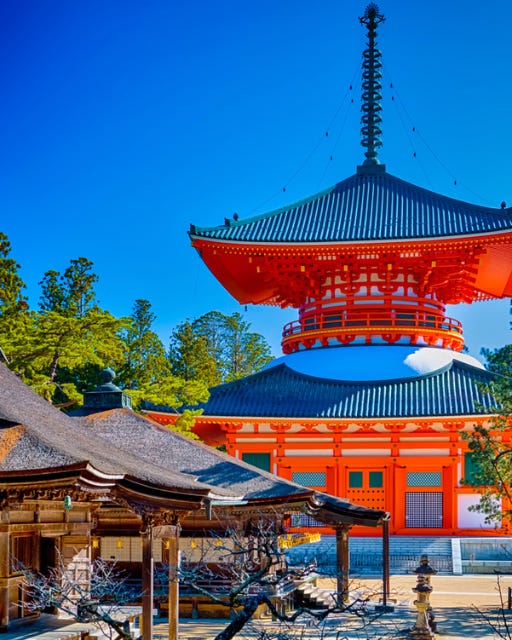
Koyasan (Mount Koya)
Suggested 8-day itinerary
When to visit, how to get there and how long to spend
