

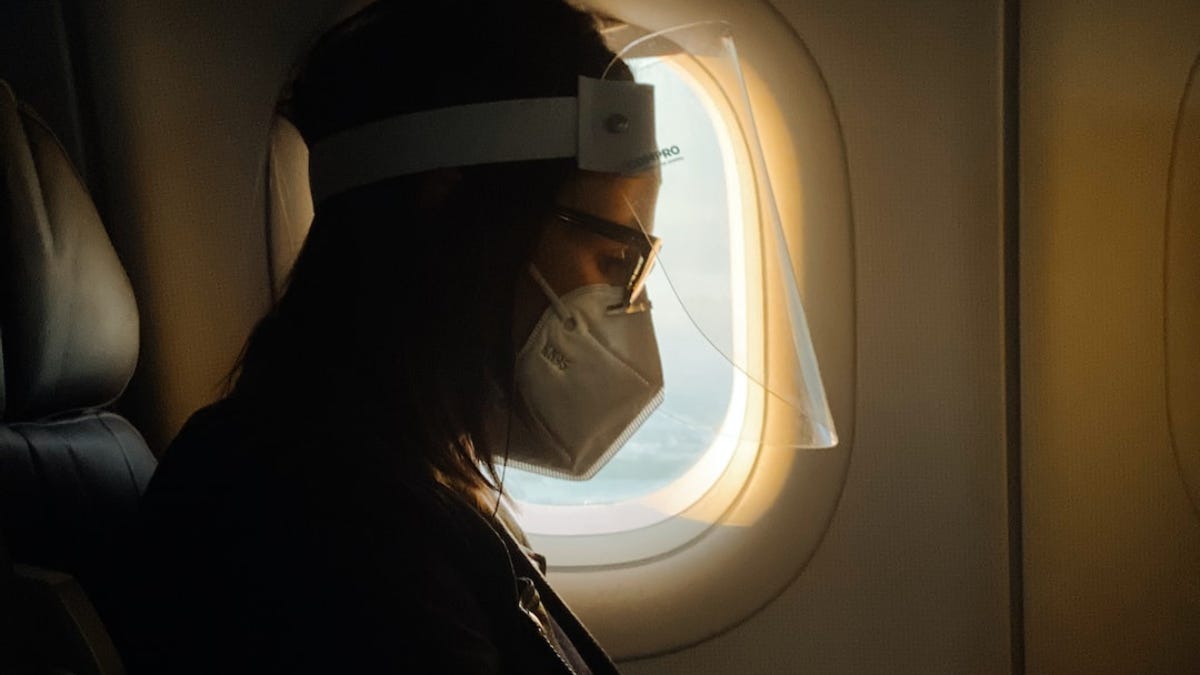
For many of us the thought of flying can evoke feelings of intense anxiety and fear. Flight anxiety, or aviophobia, can be a significant challenge, preventing people from enjoying the benefits of air travel and exploring new destinations.
However, it's important to remember that you're not alone in this experience, and there are effective strategies and techniques to help you manage and overcome your fear of flying.
In this article, we will delve into practical tips and insights to empower anxious flyers and provide them with the tools they need to navigate the skies with confidence.
Whether you're a first-time flyer or someone who has struggled with flight anxiety for years, these tips will help you take control, reduce stress, and embark on your journeys with a newfound sense of ease and comfort.
Tip for anxious flyers
Educate yourself about the aviation industry and the safety measures in place to alleviate irrational fears.

Understanding the extensive safety measures and protocols implemented in the aviation industry can help alleviate anxiety by providing reassurance about the overall safety of air travel.
Plan ahead by arriving at the airport early to avoid rushing and give yourself ample time to navigate through check-in and security.

By allowing yourself enough time at the airport, you can minimize stress and create a more relaxed environment for yourself before the flight, helping to reduce anxiety levels.
Practice deep breathing and relaxation techniques to calm your nerves during the flight.
Deep breathing exercises and relaxation techniques can help you regulate your breathing, promote relaxation, and reduce anxiety symptoms while in the air.
Inform the cabin crew about your anxiety so they can provide reassurance and support throughout the journey.

Sharing your concerns with the cabin crew allows them to be aware of your situation and provide any necessary support or additional reassurance during the flight.
Choose a seat over the wings, as this area tends to experience less turbulence.
Selecting a seat over the wings can provide a more stable and smoother ride, minimizing the impact of turbulence and helping to alleviate anxiety associated with bumpy flights.

Consider selecting a window seat to offer a sense of control and distraction through the outside view.
A window seat allows you to focus on the outside scenery, providing a sense of control and distraction from anxious thoughts, especially during takeoff and landing.
Distract your mind with activities such as reading books, solving puzzles, or watching movies.
Engaging in enjoyable activities like reading, puzzles, or entertainment can divert your attention from anxiety-inducing thoughts and keep your mind occupied during the flight.
Utilize technology by using anxiety-reducing apps or listening to calming music.
Take advantage of various smartphone apps or calming music playlists designed to reduce anxiety and promote relaxation during the flight.
Read: - How Music Helped My Anxiety
Practice positive self-talk and replace negative thoughts with affirmations to reinforce positive associations with air travel.
Replacing negative thoughts with positive affirmations and focusing on the exciting aspects of your journey can help reframe your mindset and create a more positive flying experience.
Familiarize yourself with safety procedures and the layout of the aircraft to feel more in control.

Knowing the safety procedures and becoming familiar with the layout of the aircraft can enhance your sense of control and reduce anxiety related to the unknown.
Avoid excessive caffeine or alcohol before and during the flight, as they can exacerbate anxiety.
Both caffeine and alcohol can increase feelings of anxiety and nervousness, so it's best to avoid excessive consumption before and during your flight.
Stay hydrated by drinking plenty of water throughout the flight, as dehydration can contribute to feelings of unease.
Staying hydrated by drinking water during the flight can help maintain your well-being and prevent any discomfort or additional anxiety caused by dehydration.
Engage in mindfulness exercises or meditation techniques to keep your mind focused and relaxed.
Practicing mindfulness exercises or meditation techniques can help you stay present, calm your mind, and reduce anxiety during the flight.
Consider seeking professional help, such as cognitive-behavioral therapy (CBT) or exposure therapy, if your flight anxiety persists and significantly impacts your life.
If your flight anxiety continues to be a significant hurdle, reaching out to a mental health professional who specializes in anxiety disorders can provide you with effective tools and strategies to manage and overcome your fear of flying.
Get help here: - Counseling Today
10 films you should never watch if you're afraid of flying
As you settle into your airplane seat, armed with your favorite distractions, it's easy to push aside the nagging thoughts of classic airplane nightmares. From heart-pounding action movie scenes to worst-case scenarios, the fear of encountering these situations can be daunting. As your trusted advisors and unofficial travel agents, we are here to guide you on your journey and steer you away from the following 10 undesirable experiences. By being aware of these pitfalls, you can approach your flight with confidence, knowing how to navigate potential challenges and make your travel experience as smooth and enjoyable as possible.
Thank you for reading Love to Visit — your support allows us to keep doing this work.
If you enjoy Love to Visit, it would mean the world to us if you invited friends to subscribe and read with us. If you refer friends, you will receive benefits that give you special access to Love to Visit.